
Vintage, antique and retro are often used interchangeably, but they do not mean the same thing. Knowing the difference helps you understand a piece’s price, assess its authenticity and decorate with greater discernment.
Antique furniture: over a hundred years of history
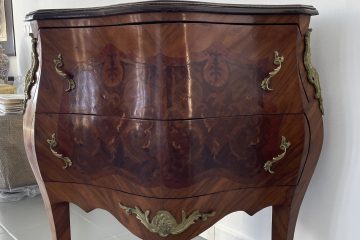
In the world of antiques, an object is considered antique if it is approximately one hundred years old or more. These pieces are mostly handcrafted from solid wood and high-quality veneers, using traditional techniques such as marquetry or carving. A Louis XV-style chest of drawers with marquetry or a carved chest are good examples.
Vintage furniture: original pieces from the 20th century
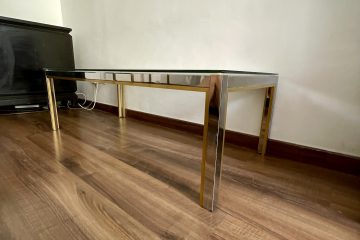
‘Vintage’ refers to original pieces that are several decades old, but which are not quite antiques. The most sought-after items today are pieces of furniture from the 1950s, 1960s and 1970s: mid-century design, brass and glass, Italian and Scandinavian pieces. The important thing is that the piece was actually made during that period, not that it imitates the style.
Retro furniture: the style of the past, crafted today
‘Retro’ describes a style reminiscent of earlier eras, usually the 1950s to the 1970s, even if the item is a recent production. A retro piece of furniture may be attractive and practical, but it lacks the value of an original piece and its history.
How to tell if an item is genuinely vintage or antique
- Materials: Solid wood, natural veneers, solid brass and thick glass are signs of high-quality craftsmanship. Chipboard and modern plastics often give away that a piece is new.
- Joints and fittings: Hand-crafted dovetail joints, antique screws and original fittings are good clues.
- Consistent wear: Actual use leaves marks in the usual places, such as edges, handles and legs.
- Brands and labels: Manufacturer’s marks, labels or signatures help to date and attribute a piece.
- Patina: Brass, bronze and wood naturally change colour over the years.
Why choose vintage and antique pieces
As well as their character, these are unique pieces that you won’t find in a chain shop; they’re usually better made, and buying second-hand is a more sustainable way to decorate. When mixed with contemporary furniture, they add personality to any space.
Explore our antiques y vintage furniture in the Deco Reg shop.